

How to Fix Common Door Repair Problems
Many door problems are easy to fix, especially when you are able to do the work yourself. Sometimes, a task isn't feasible without help.
A door that is stuck can be due to the hinges not tight enough or too loose. If the issue persists, you may have to plane or sand the latch side of your door.
Inspect the Door
As the weather gets cooler homeowners often take this time to clean the yard and inspect their doors. This annual inspection should check for damage, and also highlight any areas which aren't working as they should.
Check for corrosion or rust on door hardware, like hinges, as well as on the frame. Also, look for broken or damaged weather stripping. This helps keep drafts from the home and also prevents air leaks that can make a home less energy efficient.
Check if any doors are stuck, especially after a storm. A door that is sticking is more difficult to open and close, which increases wear every time it's used and could lead to more expensive repairs down the road. This kind of issue can be caused by swollen wood, which occurs when humidity alters the moisture content of the door's wood. A simple test with the aid of a hygrometer will help determine the root of the problem.
If your door is swelling and you are unable to close it, you can make use of a screwdriver to tighten the hinge screws. If the problem persists then you may try shimming the hinges or replace them altogether.
It is important to examine the door for cosmetic damages. While minor dents and scratches are expected in time, any major damage that wasn't there prior to the repair should be addressed as soon as is possible.
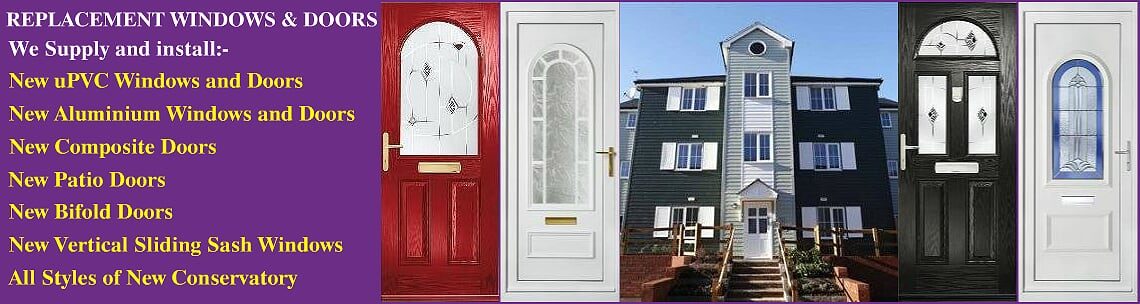
Although it's sometimes possible to fix doors that have a large crack, any cracks in the wood should be filled in and painted as soon as is possible to prevent further problems. Any wood rot needs to be replaced as well to ensure the strength of the structure. It is recommended to contact an expert in door systems if you notice significant structural issues. They will be able to evaluate the damage and make any needed repairs.
Close the Hinges
Door hinge screws can become loose over time. If you don't watch them they could damage the hinge or strip the screws' holes. You can tighten the screws by hand or with a drill, but be cautious not to bend the hinge and make sure you remove the pins as well.
First, find the sticking points and decide the best way to proceed. If the door rubs near the top or drags on the floor it is possible to draw in the jamb by using a long screw through the latch side of the hinge (the side that connects to the strike plate) and countersinking it. This will widen the gap and will usually resolve the issue.
The most drastic option is to remove the hinge pins, then hammer them out until they're more spread apart, which will also solve the issue. This is not recommended as it could cause damage to the hinge. It should only be done when the door isn't closing properly.
Another possibility is a screw that does not tighten, which could be caused by a stripped screw hole or sagging doorframe. In this case, insert a wood plug (or match) coated with carpenter's glue into the screw hole. Let it dry before reattaching your hinge. This will fill the hole and make it stronger so that the screw can grab hold. Repeat the procedure as needed for any remaining screw holes that won't tighten. Close the door and check to see whether it has shut correctly. If the issue continues then you might need to tackle the issue again. Start with the easiest fixes and only perform more complicated repairs if needed.
Shift the Hinges
Shimming hinges are a great option to assist in keeping the door straight when the gap between the jamb and the door is too wide (a condition called toe-in). You can do this by placing a small amount of wood or cardboard on the jamb-side hinge, and then placing two or three wooden shims between the hinges and the door frame. The shims will push the hinge leaf away from the door frame and close the gap, eliminating the bind.
This technique can be a bit tricky however if you're careful you will be able to complete the task without causing damage to the hinge or door. It is best to remove the screws from each hinge prior to shifting (Knowledge How to Remove the Pin from the Door Hinge). It may be necessary to remove the door of its hinges in order to stop the screws from slipping out.
Once the hinges are shifted then you'll need to close and open the door a few times to make sure they're functioning correctly. If the door is still stuck it is possible to add shims to close the gaps between the hinge and door.
upvc door repairs near me to correct the binding hinge is to make the mortise larger, which is done by removing the hole with the chisel, then filling it up with wood putty. Be sure to paint and sand the putty before putting it on the hinge to match the frame's rest. It's not as precise as shimming, but it's a quick solution for a hinge that's out of alignment. It's not as destructive as rehanging the door.
Draw in the Jamb
If your door is still bound after tightening the hinges and shimming, you may have an issue with the jamb being out of alignment. It is possible to fix this by gently tapping wooden shims between the jamb and wall at the latch side the frame in order to bring it back in line. The shims are measured using a carpenter's square, then move them around the frame to make sure it is plumb.
Once you've shimmed the door frame, you can tighten the screws that secure the strike plate to the latch side of the frame to stop it from scraping against the latch. You can use either the manual Phillips screwdriver or a drill to accomplish this, depending on the severity of the damage.
Sometimes, gouges, dents, and nicks in the frame cause it to stick to the door. If it's only small dents, you can smooth the surface with wood filler that is the same color as the trim around the door, and then sand it prior to staining or painting. If you have more serious dents or gouges, you may need to replace the damaged section of the jamb.
If your door is still stuck after you've tried filling, sanding, and re-sanding the frame, it might be time to take down the entire door and start from scratch. It's best when you're able to purchase new components and do it right however, sometimes you can save the door by working on small parts of the frame without completely taking it off. Just be careful not to damage the strength of the remainder of the frame, especially when you're working with wood that has been subjected to humidity over time.
Adjust the Strike Plate
The strike plate is able to catch the bolt of the door and keeps the door in a closed position. In time the strike plate may be unbalanced. If the latch does not fit into the strikeplate, it will not close, which can lead burglaries and door kick-ins. A quick fix for this is to tighten the screws holding the strike plate. If this doesn't work you, try shifting or adding wood fill to the hinges.
Apply a strip of lipstick or other marking substance on the latch prior to adjusting the strike plate. Close the door and open it. If the lipstick marks show that the latch is contacting above or below the strike plate hole it could be an issue with hinges that are sagging, not the strike plate's location.
If the marks suggest that the latch is positioned too high or low in the strike plate's hole, take a small piece of cardboard to fit into the hinge mortise. Replace the hinge. This will usually fix the issue caused by sunken hinges. It also makes it easier to make a professional repair.
To adjust the strike plate, take it from the jamb on the door and then employ a file to widen the hole in the jamb that the strike plate will go. Half-round files are ideal because it is in line with the shape of the strike plate's hole. Reinstall the strike plate, close the door and see if the latch is now clearing the strike plate hole in a proper manner. If the latch does not clear the hole then use the chisel on the jamb to shape it where the strike plate meets the jamb.